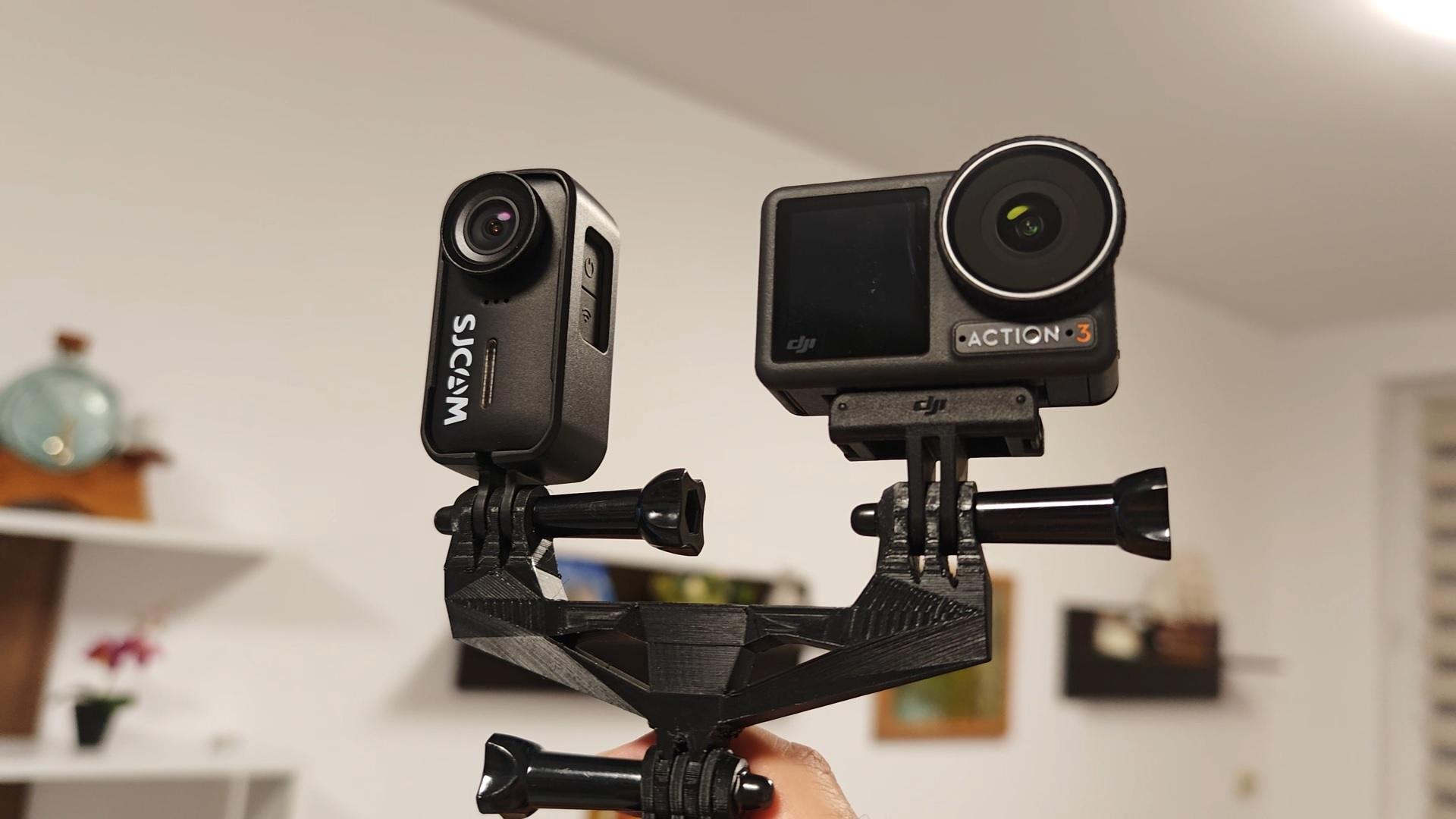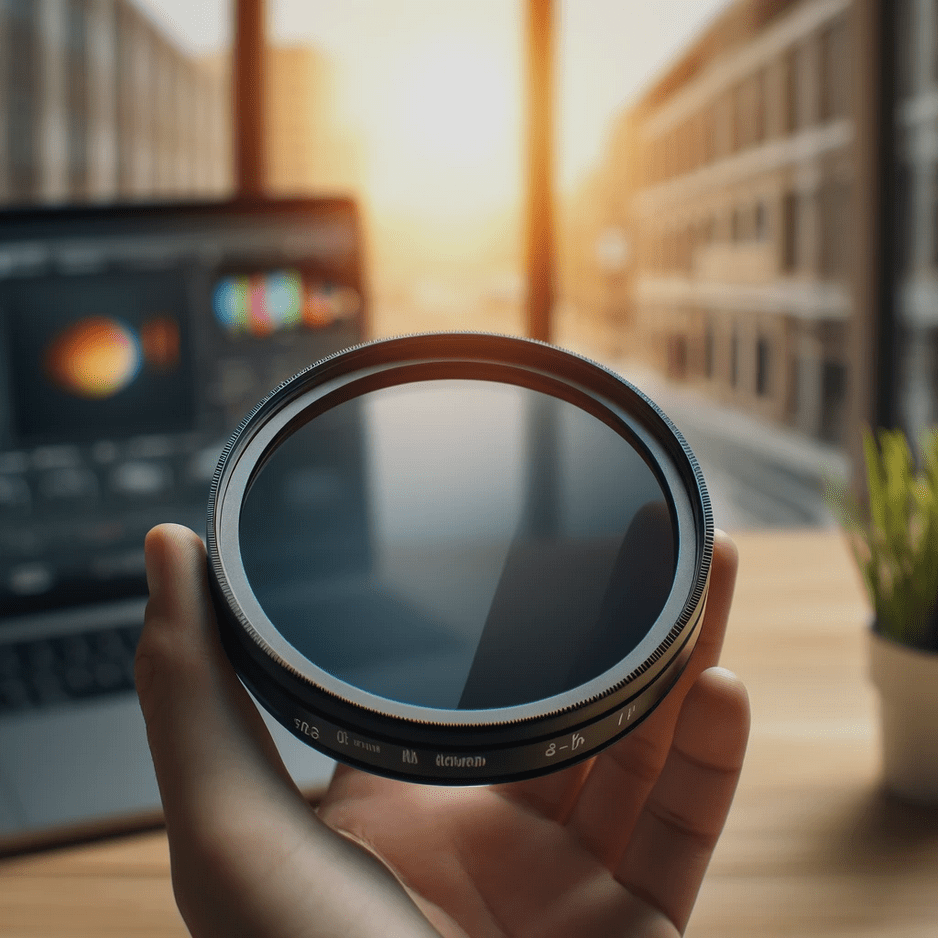
Neutral Density (ND) filters are a game-changer for photographers and videographers alike. Whether you’re capturing high-speed action with an action camera, shooting cinematic footage on your smartphone, or adhering to the 180 rule for natural motion blur, ND filters help you control exposure in bright conditions and achieve creative effects.
What Are ND Filters and Why Use Them?
ND filters reduce the amount of light entering your camera’s sensor without affecting color balance. This allows you to use slower shutter speeds in bright conditions, which is essential for:
- Cinematic Video: Maintaining the ideal shutter speed for smooth motion blur using the 180 rule.
- Long Exposure Photography: Capturing motion, such as flowing water or light trails, without overexposure.
- Action Cameras & Smartphones: Enhancing video quality even when shooting under intense sunlight.
The 180 Rule Explained
The 180 rule is a guideline in videography which suggests setting your shutter speed to double your frame rate. For example, if you’re filming at 30 frames per second (FPS), a shutter speed of 1/60 second is ideal. This rule ensures that the motion blur appears natural. However, in bright conditions, achieving this shutter speed can be challenging without ND filters.
When to Use Different ND Filters
ND filters come in various strengths, typically indicated by numbers such as ND8, ND16, and ND32. These numbers represent how many stops of light are reduced:
- ND8: Reduces light by about 3 stops.
- ND16: Reduces light by about 4 stops.
- ND32: Reduces light by about 5 stops.
Below is a handy table to guide you on which ND filter to use based on the lighting conditions and time of day.
☀️ Sunny Days
| Time of Day | ND8 | ND16 | ND32 |
|---|---|---|---|
| Morning (Soft Light, 7-10 AM) | ✅ Best | ✅ Good | ❌ Too dark |
| Noon (Harsh Light, 11 AM – 3 PM) | ❌ Too bright | ✅ Best | ✅ Good |
| Afternoon (Soft Light, 4-6 PM) | ✅ Good | ✅ Best | ❌ Too dark |
☁️ Cloudy Days
| Time of Day | ND8 | ND16 | ND32 |
|---|---|---|---|
| Morning (7-10 AM) | ✅ Best | ❌ Too dark | ❌ Too dark |
| Noon (11 AM – 3 PM) | ✅ Good | ✅ Best | ❌ Too dark |
| Afternoon (4-6 PM) | ✅ Best | ❌ Too dark | ❌ Too dark |
Practical Applications
Photography:
ND filters are indispensable for long exposure shots in bright daylight. Whether you’re capturing moving water, clouds, or urban scenes, using the right ND filter helps you balance the exposure and achieve creative effects.
Videography with Action Cameras & Smartphones:
For video, especially when following the 180 rule, ND filters allow you to use slower shutter speeds even in bright sunlight, ensuring your footage maintains that cinematic motion blur. They also reduce glare and help manage reflections on smartphones and action cameras, leading to better overall image quality.
Creative Effects:
Using ND filters isn’t just about controlling exposure—they’re also a creative tool. By varying the filter strength, you can experiment with different levels of motion blur and depth, adding an artistic touch to your visuals.
Final Thoughts
ND filters are essential tools that open up a world of creative possibilities. Whether you’re a professional photographer, an aspiring videographer, or someone who loves capturing everyday moments on your smartphone or action camera, understanding and using ND filters can transform your work. With the right filter, you can adhere to the 180 rule for natural motion blur, manage bright conditions effortlessly, and experiment with long exposure techniques.
Happy shooting, and may your creative vision shine even under the brightest conditions!